Stop Losing Leads While You Sleep
We build AI receptionists, intelligent chatbots, and marketing automation that capture leads, book appointments, and serve customers 24/7 — so your business grows even when you're not there.
Meet NORA —
Your Personal AI Assistant
A custom AI built around how you work — managing tasks, summarising meetings, drafting emails, and keeping your business organised. All in one private app.
- Task management — creates, prioritises, and chases tasks from plain English
- Meeting summaries — extracts action points from any transcript in 30 seconds
- Email drafting — writes in your voice, ready to review and send in seconds
- Reaches you via WhatsApp, email, or in-app — wherever you work
- Built for you — trained on your tone, tools, and workflow from day one
Turn Every Visitor Into
a Qualified Lead
Our AI chatbots engage website visitors instantly, answer questions, and capture leads — 24 hours a day, fully automated.
Multilingual
Engages visitors in their native language automatically
Appointment Booking
Books directly into your calendar without human input
Lead Qualification
Scores and segments leads before passing them to your team
CRM Integration
Auto-syncs contacts and conversation data to your CRM
Three Ways We Grow Your Business
From brand identity to AI automation — choose one service or let us handle the full picture.
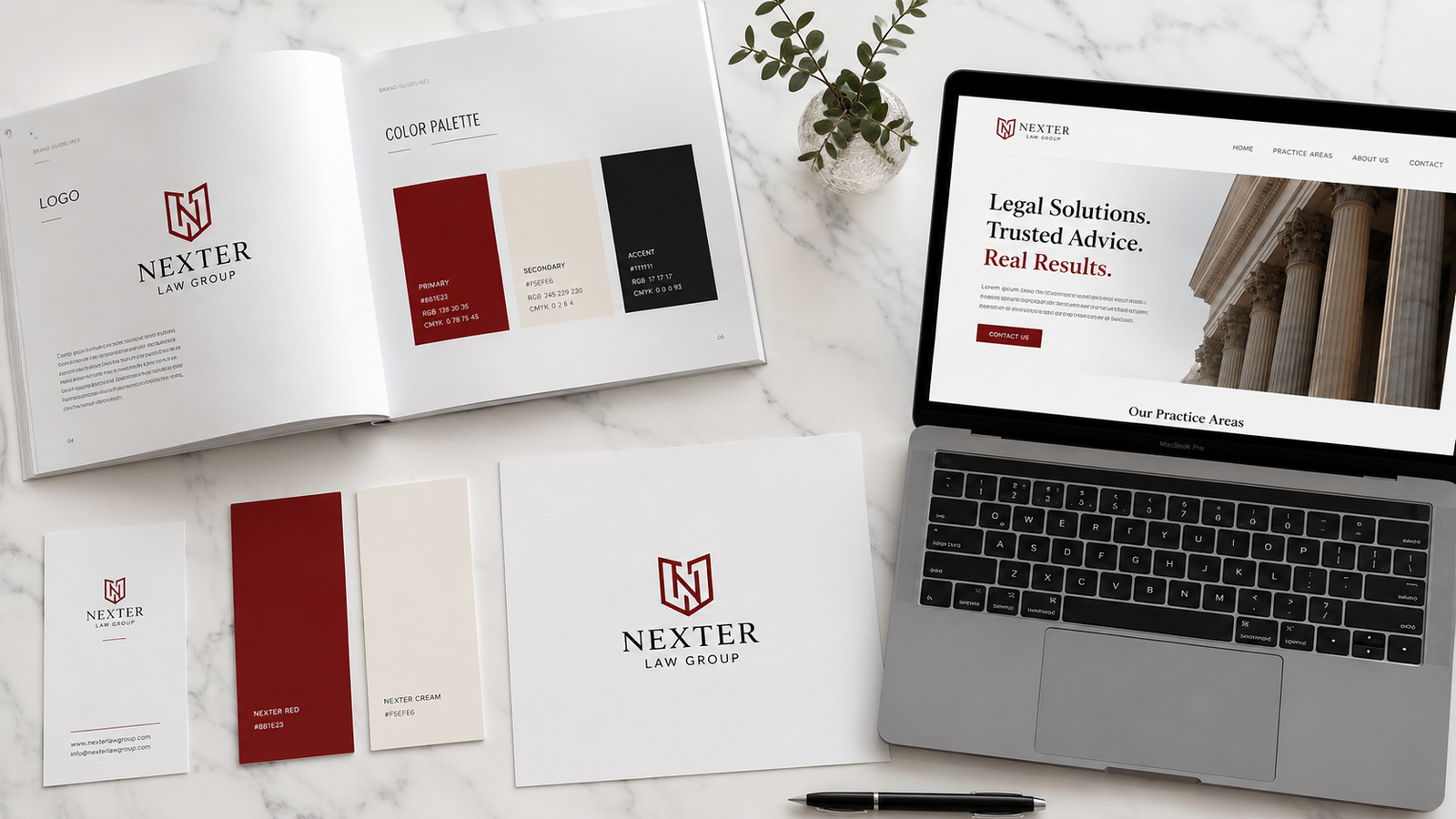
Design & Branding
Visual identity and content that makes your business impossible to ignore — built to convert from first glance to final click.
Explore Design Services →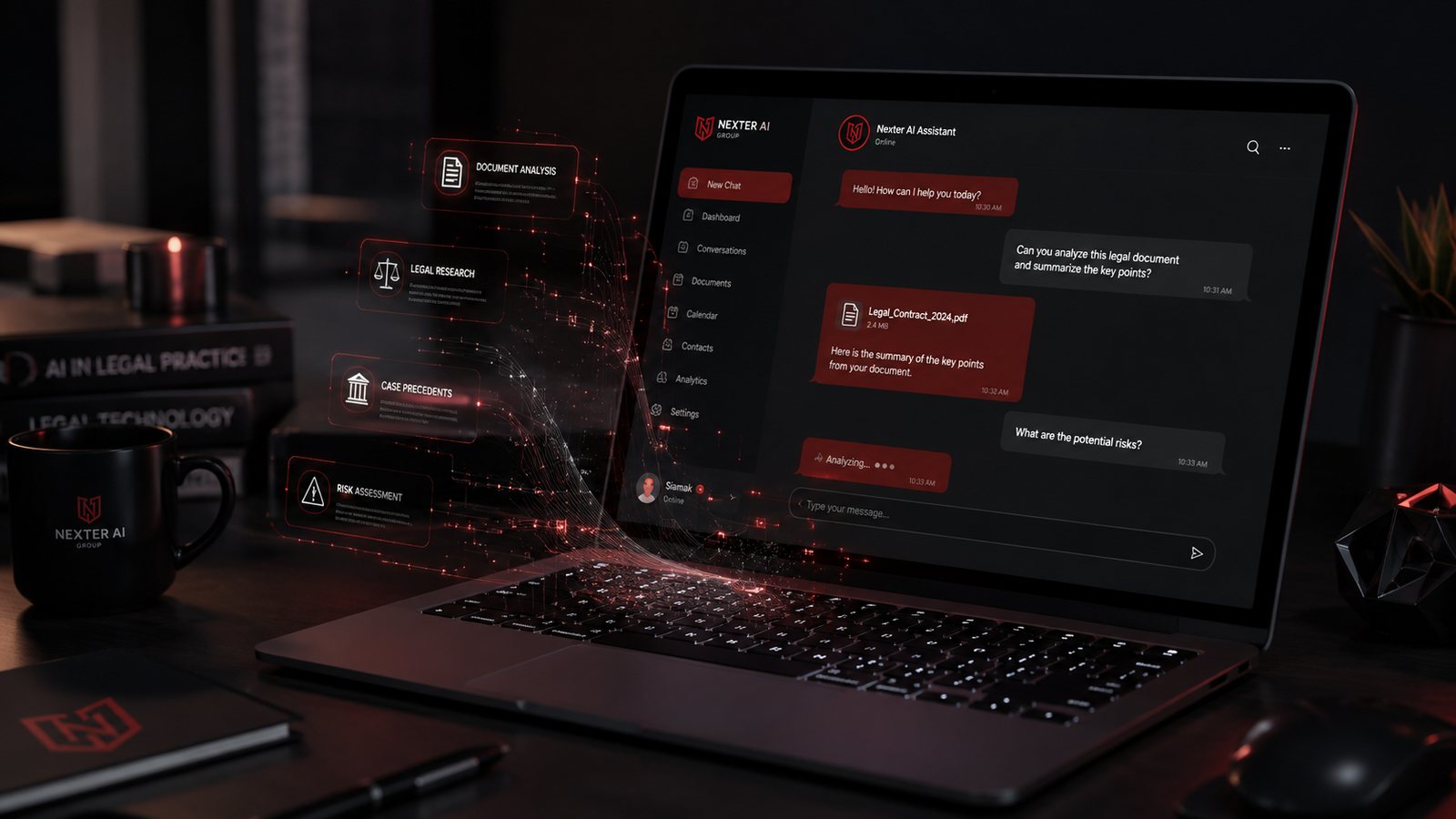
AI & Automation
Intelligent systems that work 24/7 — capturing leads, answering enquiries, and running your operations while you focus on growth.
Explore AI Services →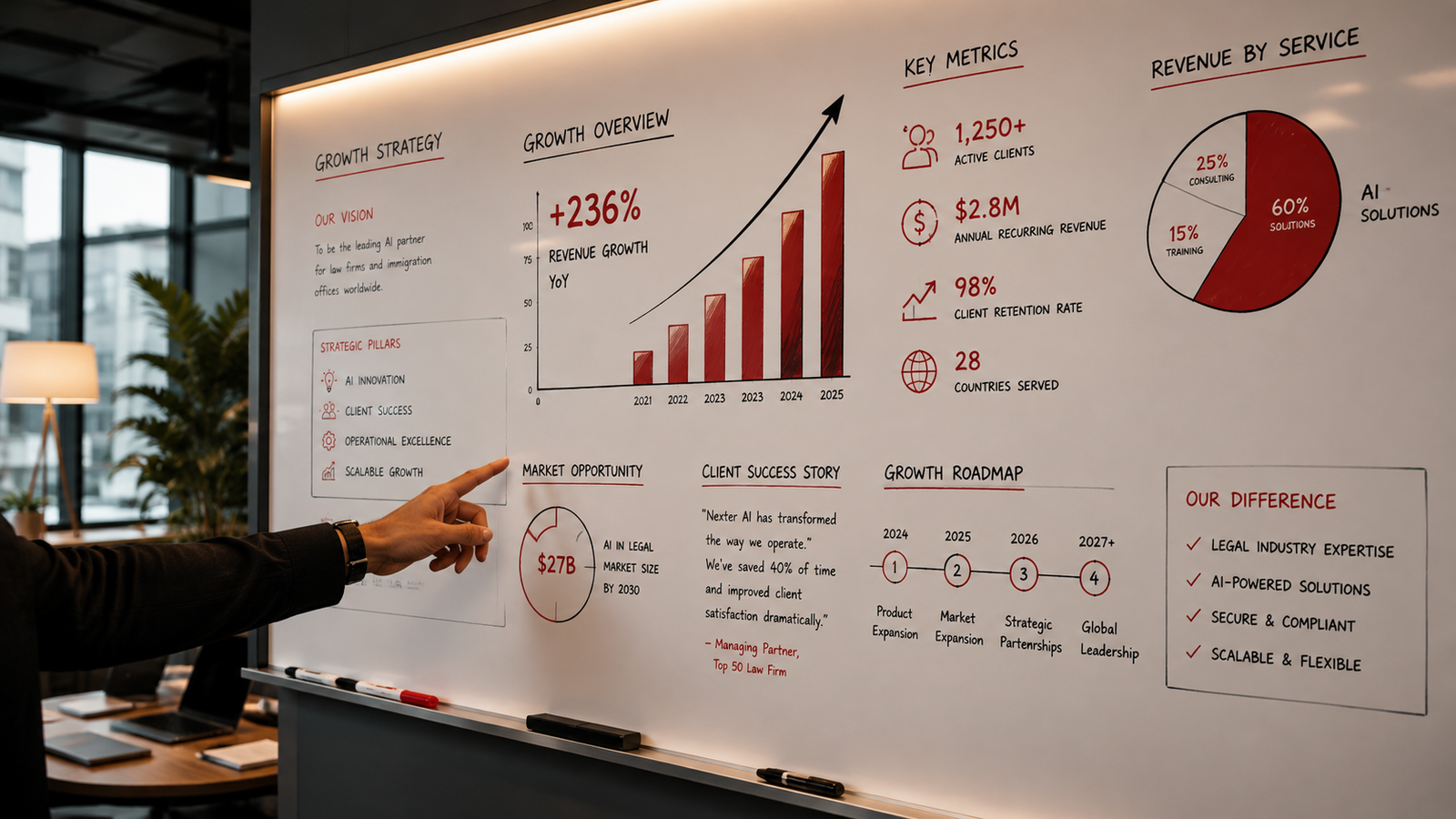
Business Growth
Strategy and execution for small businesses ready to scale — marketing, systems, and a clear roadmap to get you there faster.
Explore Growth Services →Built for Your Industry
We don't do generic. Every solution is built around the specific challenges of your sector.
Work That
Speaks for Itself
A selection of recent projects — from AI chatbots to full brand identities.
View All Projects →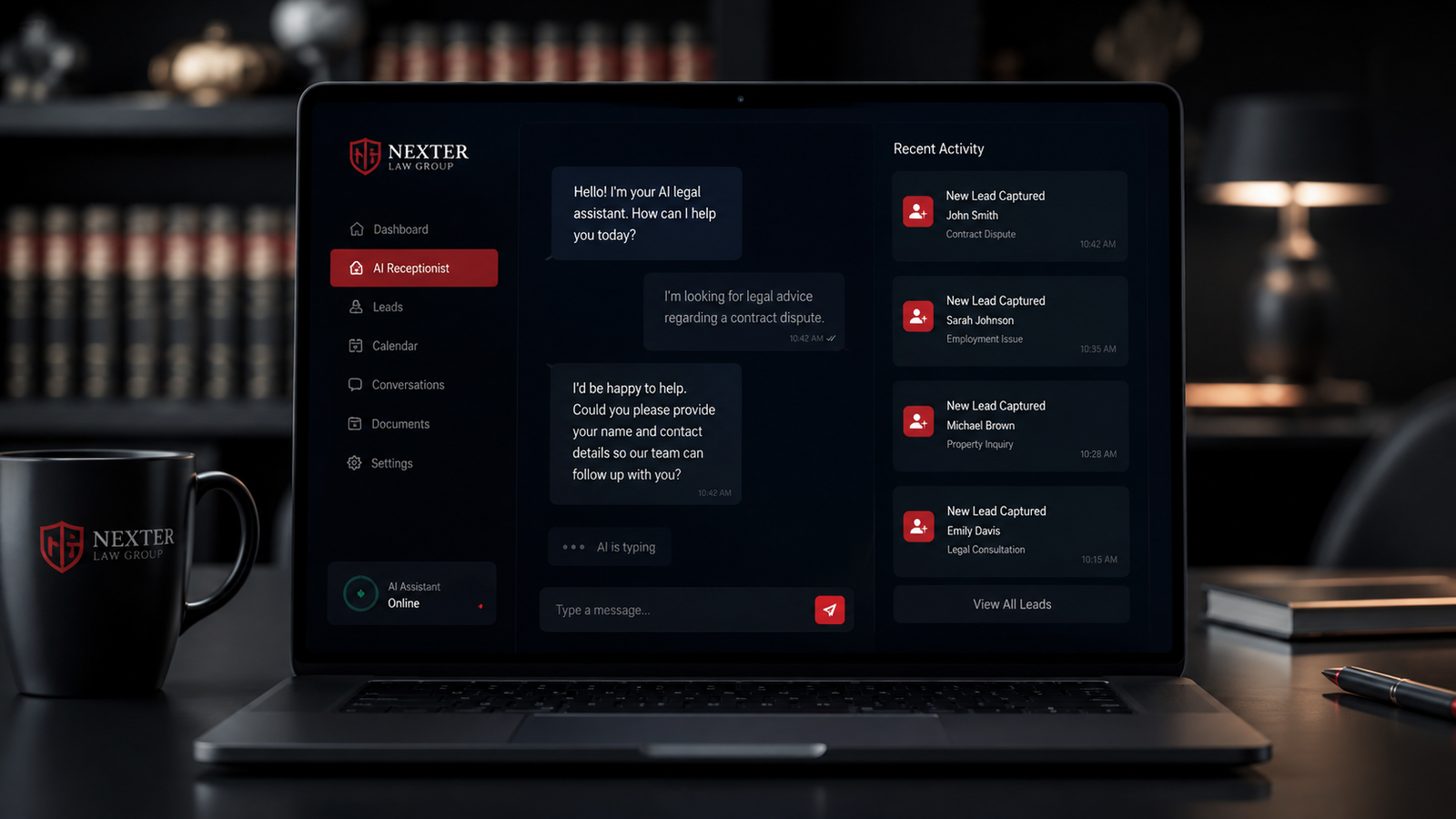
47 Leads Captured Over Christmas
AI receptionist deployed for a UK law firm — capturing leads 24/7 while the office was closed.
View Case Study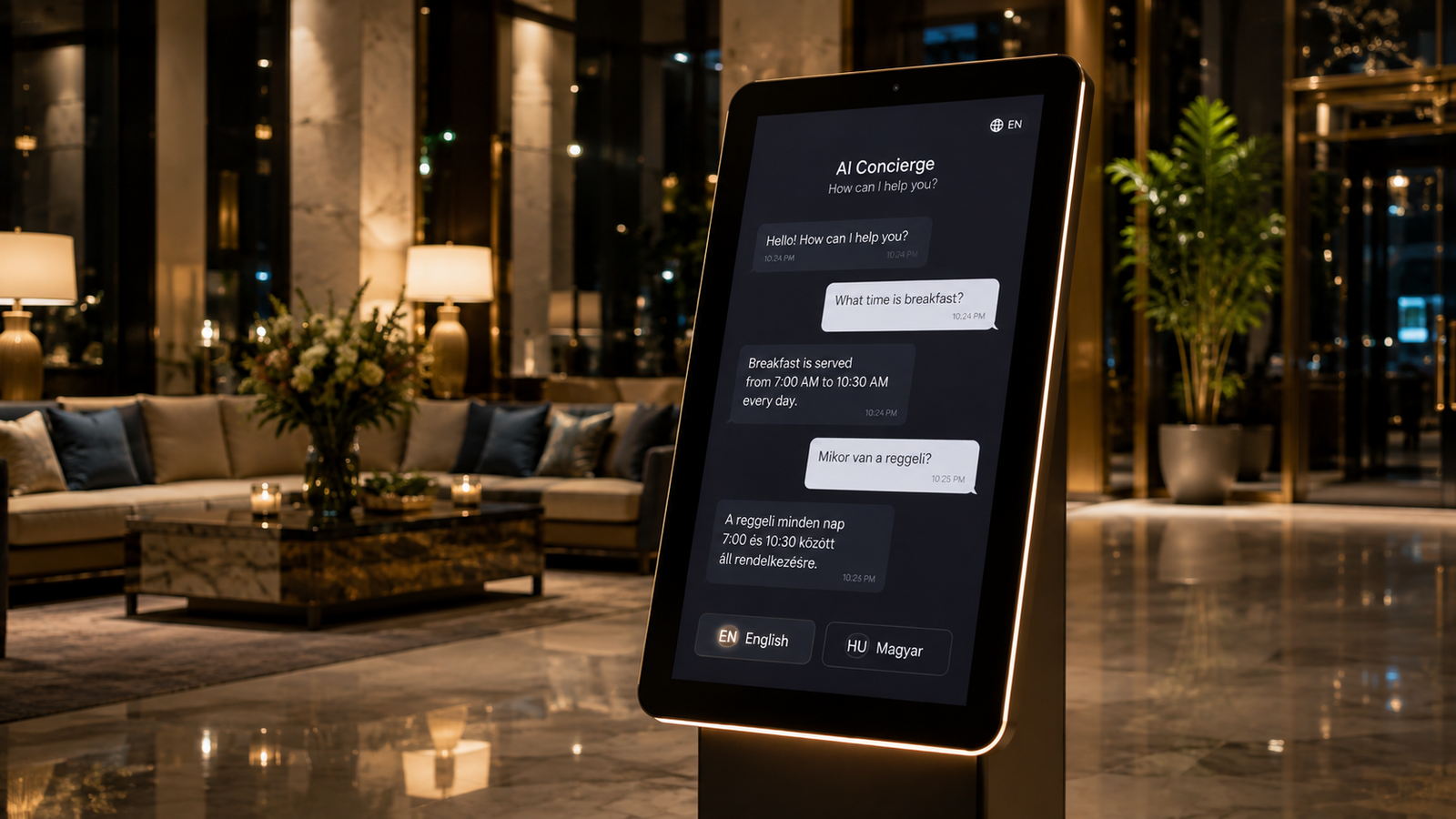
Multilingual Hotel Concierge
AI concierge answering guest enquiries in English and Hungarian — instantly, around the clock.
View Case Study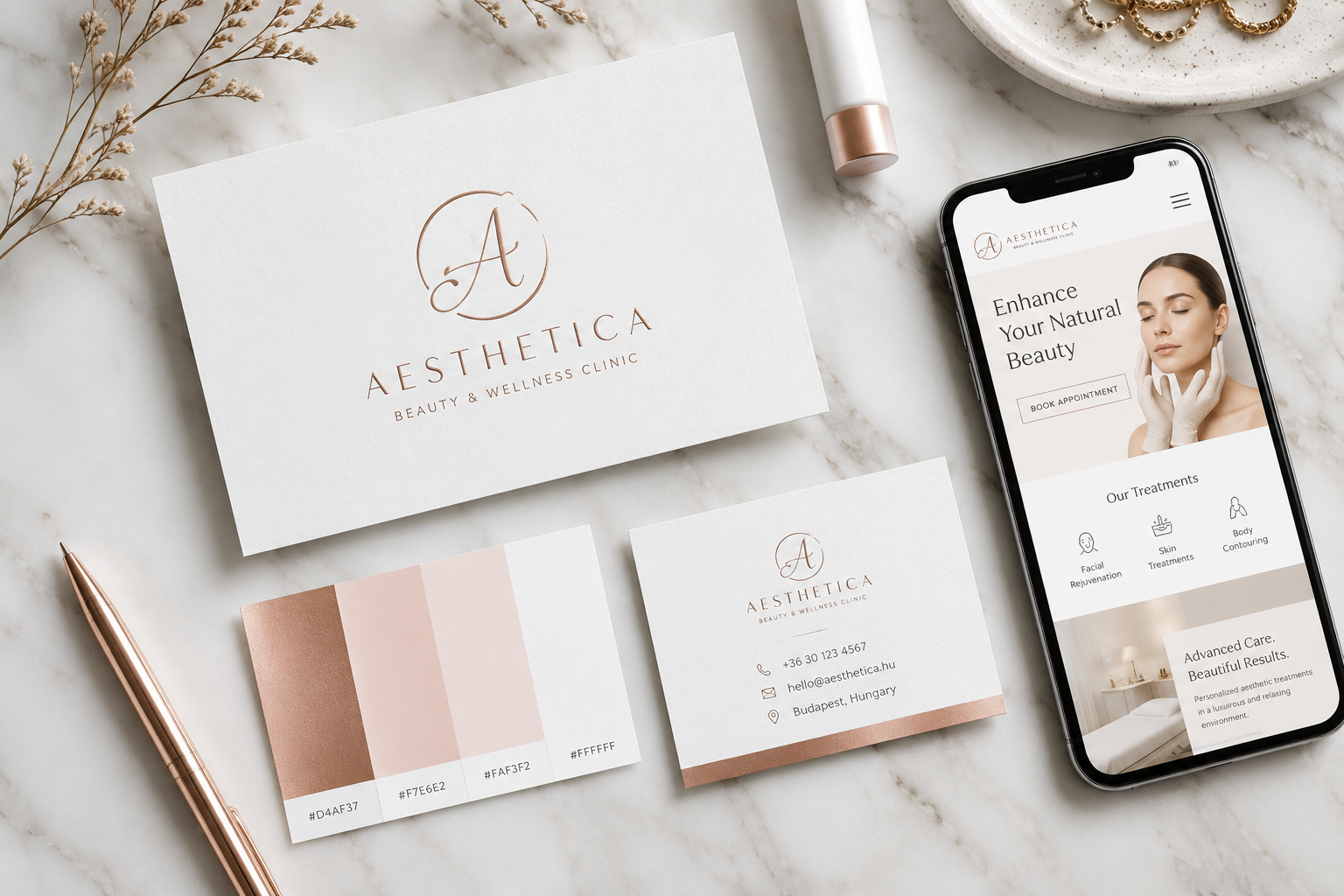
Full Brand Identity & Web Design
Logo, brand guidelines, and conversion-focused website for a growing cosmetic clinic.
View Case StudyWhat Our Clients Say
Real results from real businesses — across industries and service lines.
"This is the most cost-effective thing we've done for client acquisition in years. 47 leads over Christmas — while we were closed."
"Our AI concierge handles guest enquiries in two languages instantly. Our front desk team can now focus on what matters."
"The branding work completely transformed how clients perceive us. We went from invisible to the first name people recommend."
Insights to Grow Your Business
Practical advice on AI, design, and business growth — no fluff, just what works.
 Artificial Intelligence
Top AI Trends Reshaping Business in 2025
From generative AI to autonomous agents — how the latest breakthroughs are transforming the way companies operate.
 Automation
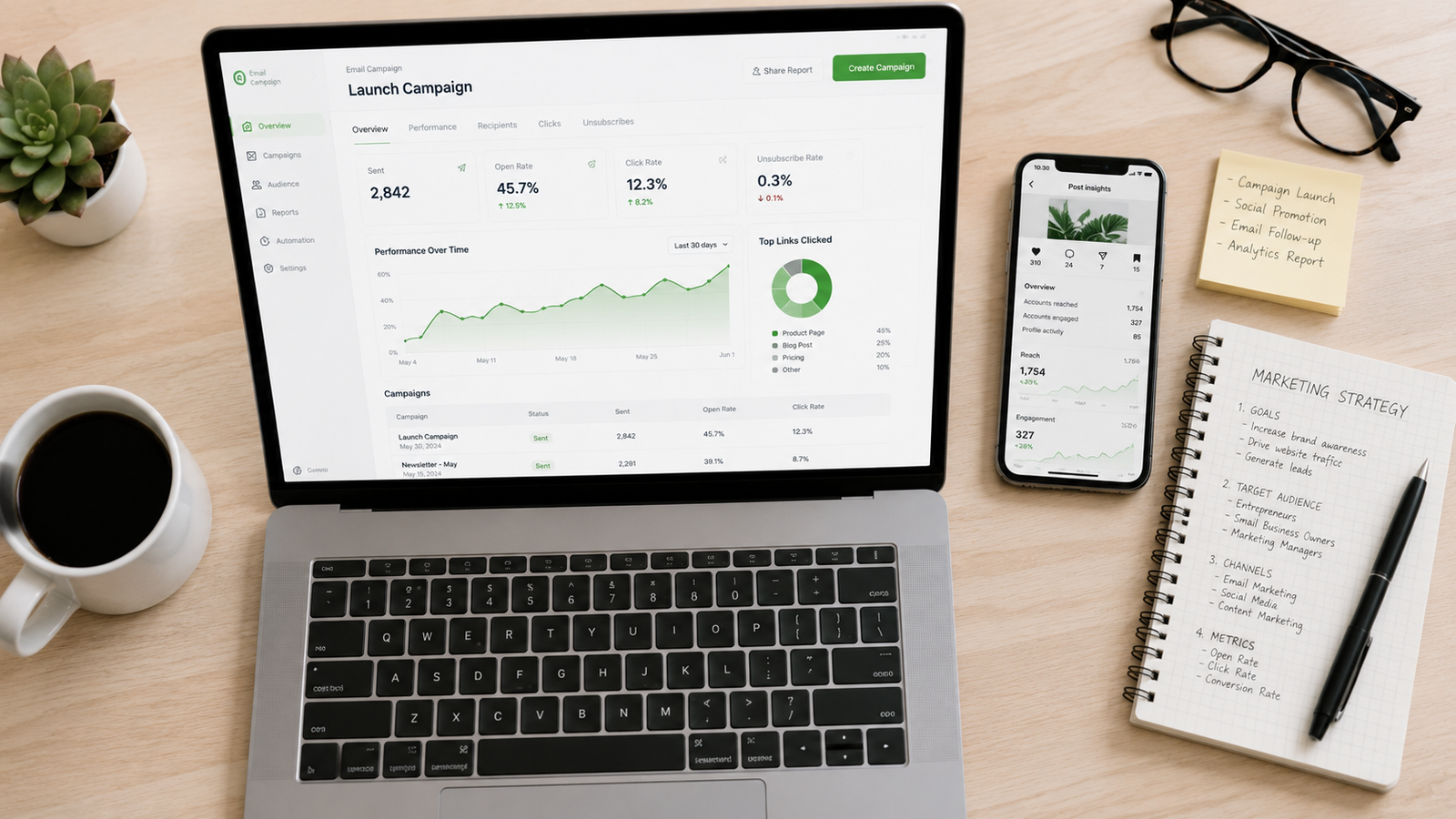
How to Automate Your Marketing with AI Tools
The proven strategies our agency uses to automate lead generation, email campaigns, and content creation.
 Strategy
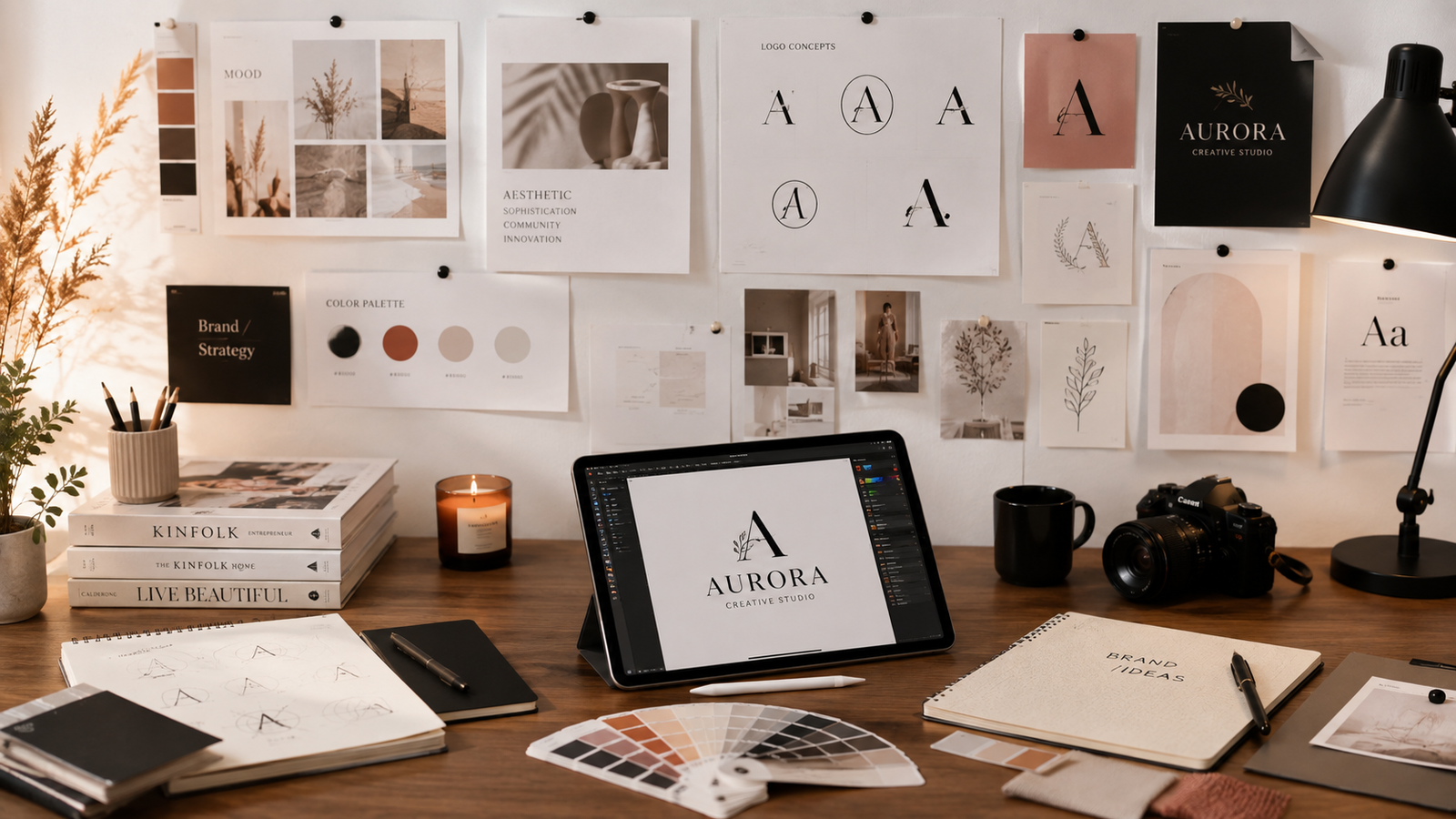
Building a Winning AI Agency Brand from Scratch
How to position your business to stand out in a crowded market and attract premium clients.
Ready to Book Your Free Consultation?
Tell us about your business in 10 minutes — we'll show you exactly what AI or design can do for you.
Book a Free Call